

You finish a long day on the tools, then face a pile of receipts and unpaid invoices. Sound familiar? Many electricians, plumbers and builders lose their weekends to paperwork. This guide shows how tradies track expenses, and it works as a practical tradie GST and BAS guide too. Follow it and you will keep your records clean, claim what you deserve and lodge on time.
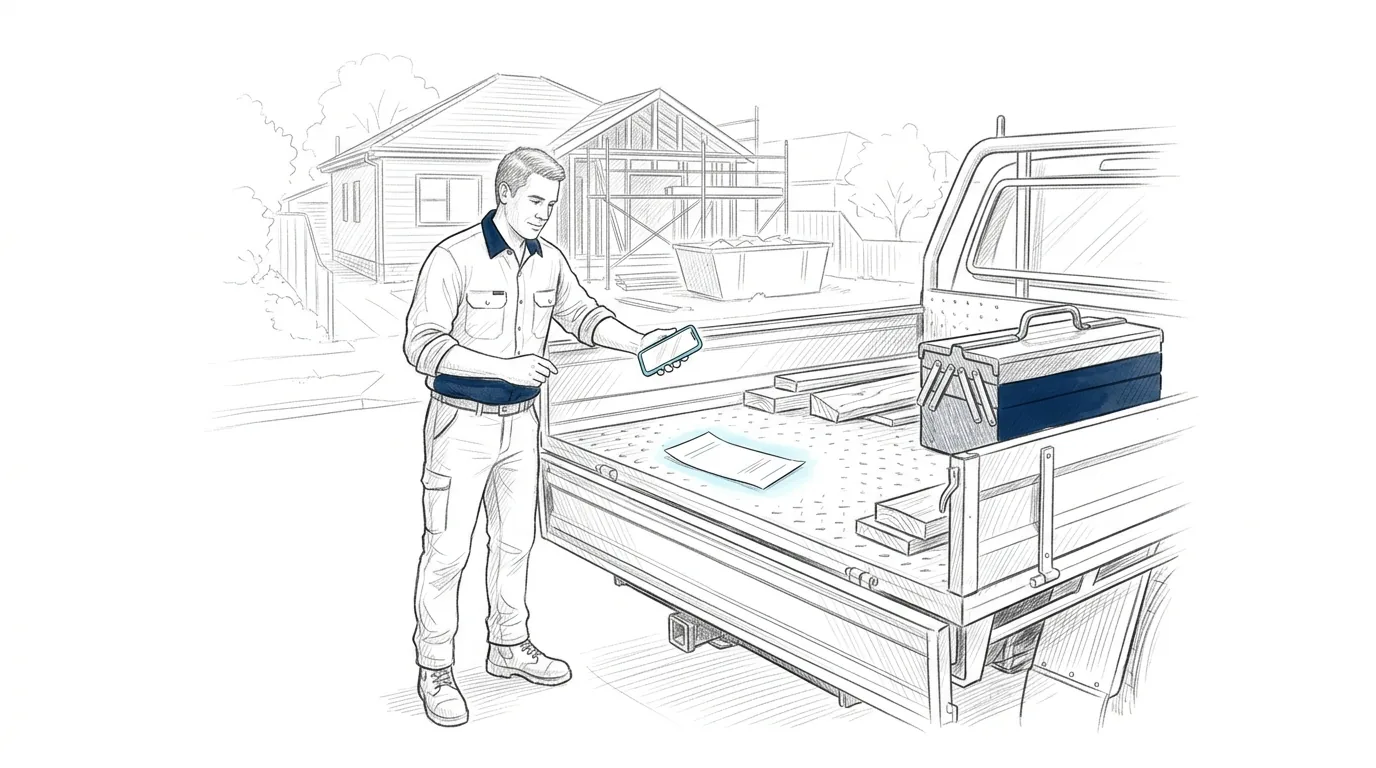
- Give every job its own code so you can see which work actually makes money.
- Photograph receipts on the spot and keep records for at least five years.
- Register for GST once your turnover reaches $75,000 a year.
- Set aside GST in a separate account each time a client pays you.
- Building and construction businesses lodge a TPAR, usually by 28 August.
Why Tradies Need Separate Job Costing
Every job earns a different profit. A bathroom renovation and a quick tap repair cost you different amounts in labour, materials and travel. If you pool everything together, you cannot see which jobs make money.
Set up a separate job code or project in your accounting software. Then assign each invoice, receipt and wage cost to that job. You will quickly spot underquoted work and fix your pricing before it hurts your margins.
How Tradies Track Expenses (Materials, Tools and Fuel)
Materials, tools and vehicle costs make up most of your spending. They also cause most of the missing receipts. Use this simple routine:
- Photograph every receipt on the spot with a receipts app.
- Link your business bank account and card to your software.
- Code each purchase to a job or an expense category.
- Keep tools and equipment in a separate asset list.
- Record fuel and vehicle costs with a logbook, or use the cents per kilometre method if your vehicle counts as a car.
Never mix personal and business spending. A dedicated business account makes your records faster to check and easier to defend in an audit. Many owners hand this routine to a team that offers bookkeeping for tradies, so the receipts never pile up again.
Tradie GST and BAS Guide: ABN, GST and Lodgement
Every tradie needs an ABN. You must register for GST once your turnover reaches $75,000 a year. After that, you charge 10% GST on your jobs and claim GST credits on business purchases.
To claim a credit, you need a valid tax invoice from your supplier. Keep it with your records for at least five years. Missing invoices mean missing credits.
You report GST on your Business Activity Statement (BAS). Most tradies lodge quarterly, though some choose monthly to manage cash flow. Your BAS also covers PAYG withholding and instalments. Set aside GST in a separate savings account each time a client pays you. That habit removes the shock of a big tax bill.
Handling Subcontractor Payments
Subcontractors add another layer of rules. You must collect their ABN, and you should confirm they work as true contractors, not employees. If they work mainly for labour, you may owe super.
Builders and other construction businesses must also report contractor payments to the ATO each year through the Taxable Payments Annual Report (TPAR), usually due by 28 August. Record every contractor payment with the invoice, ABN and date. Good records make this report quick.
What a Bookkeeper for Tradies Actually Does
A bookkeeper does the admin you do not have time for. They keep your accounts accurate, so you can focus on quoting and finishing jobs. Their typical tasks include:
- Reconciling bank and card transactions
- Coding expenses to the right job
- Sending and chasing invoices
- Preparing your BAS for lodgement
- Tracking subcontractor payments and TPAR data
- Producing simple monthly profit reports
Professional bookkeeping services also give you a regular view of your cash flow. You see which jobs pay well, which clients pay late and how much GST you owe before the deadline.
Your BAS-Ready Checklist
| Task | How Often | Why It Matters |
|---|---|---|
| Upload receipts and invoices | Daily or weekly | Prevents lost GST credits |
| Reconcile bank accounts | Weekly | Catches errors early |
| Review job profit | Monthly | Protects your margins |
| Transfer GST to savings | Each payment | Avoids cash shortfalls |
| Check contractor records | Monthly | Prepares your TPAR |
| Lodge BAS | Quarterly or monthly | Avoids penalties |
How Outsourcing Saves Your Weekends
Doing the books yourself costs more than money. Every Sunday night you spend on receipts is time away from your family. Outsourcing turns that chore into a short monthly review.
A trusted provider of bookkeeping Australia businesses rely on can set up your system once and maintain it. You get accurate numbers, fewer surprises at tax time and your weekends back.
Get Your Weekends Back
We set up job costing in Xero, keep your receipts coded and prepare your BAS and TPAR on time. Tradies across Sydney work with us from our North Strathfield and Liverpool offices.
Frequently Asked Questions
Do tradies need to register for GST?
Yes, once your annual turnover reaches $75,000. You can also register earlier by choice, which lets you claim GST credits on your purchases.
What receipts should tradies keep?
Keep tax invoices for materials, tools, fuel and subcontractor work. Store them digitally for at least five years.
How often should a tradie lodge a BAS?
Most tradies lodge quarterly. Monthly lodgement suits businesses with high GST amounts or tight cash flow.
When is the TPAR due?
The Taxable Payments Annual Report is usually due by 28 August. It covers contractor payments made during the previous financial year.
Do I pay super for subcontractors?
Sometimes. If a contractor is paid mainly for their labour, you may need to pay super for them as if they were an employee. Check each arrangement before the first payment.