

Most owners receive accounts once a year, and those accounts mostly satisfy the ATO. They tell you what happened months ago, not what to do next. Understanding management accounting vs financial accounting changes that. This guide explains the difference, shows the reports that support better decisions and lists the small business KPIs to track.

- Financial accounting looks back for the ATO and banks. Management accounting looks forward for you.
- A rolling cash flow forecast shows shortfalls weeks before they hit.
- Compare budget against actuals every month and act on repeated gaps.
- Track a handful of KPIs, not dozens, and write one action for each.
- Bring in an advisor before big moves such as hiring, expanding or raising finance.
Management Accounting vs Financial Accounting
Financial accounting looks backward. It records past transactions and produces your tax return, BAS, balance sheet and annual statements. Banks, the ATO and regulators rely on these reports, so accuracy and compliance come first.
Management accounting looks forward. It uses your financial data to guide daily decisions, such as pricing, hiring and investing. You receive reports monthly or weekly, in a format that suits your business, not a regulator.
Here is a quick comparison:
| Feature | Financial (Compliance) Accounting | Management Accounting |
|---|---|---|
| Main purpose | Meet legal and tax obligations | Support business decisions |
| Time focus | Past | Present and future |
| Typical reports | Tax return, BAS, annual accounts | Forecasts, budgets, KPI dashboards |
| Main audience | ATO, banks, regulators | Owners and managers |
| Frequency | Quarterly and yearly | Weekly or monthly |
You need both. Compliance keeps you safe, while management reporting helps you grow.
Cash Flow Forecasts: See Problems Early
Profitable businesses still run out of cash. Customers pay late, and tax bills arrive in lumps. A cash flow forecast shows your expected money in and out over the next 12 weeks or 12 months.
- Start with your opening bank balance.
- Add expected receipts from invoices and sales.
- Subtract wages, rent, suppliers, GST, super and loan repayments.
- Update the forecast each week with real figures.
A forecast gives you time to act. You can chase debtors, delay a purchase or arrange finance before a shortfall hits. Teams that provide management accounting can build this forecast for you and keep it current.
Budgeting That Owners Actually Use
A budget sets targets for income and expenses. It works best when it stays simple. Build it from last year’s actuals, then adjust for known changes such as price rises, new staff or new contracts.
Compare your budget against actual results every month. Look at the variances. A small gap in one category may not matter, but a repeated gap shows a real problem. Adjust your plan quickly instead of waiting for year end.
Profit and Loss Analysis Beyond the Bottom Line
Your profit and loss statement holds more than a final profit figure. Study it line by line. Which costs grew faster than sales? Which products or services earn the best margin?
Compare each month with the same month last year. Seasonal patterns then stand out. You may also split your results by job, product or location. This view reveals which parts of your business earn money and which ones drain it.
Wages often form your largest expense. Strong payroll for small businesses gives you accurate labour data, so you can compare staffing costs to revenue with confidence.
Small Business KPIs to Track
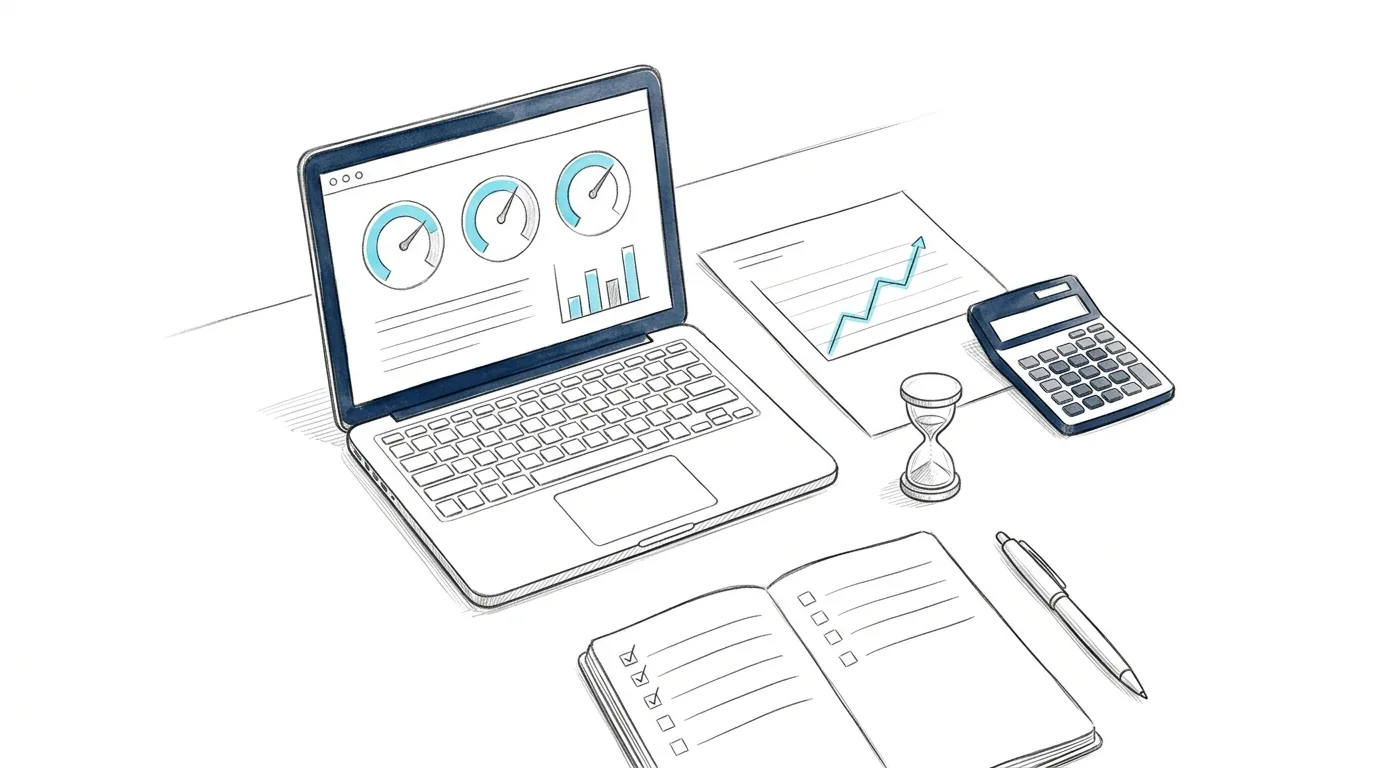
KPIs turn your numbers into signals. Too many KPIs create noise, so choose a handful that match your goals. These small business KPIs to track suit most businesses:
| KPI | What It Measures | Why It Matters |
|---|---|---|
| Gross profit margin | Profit after direct costs | Shows pricing strength |
| Net profit margin | Profit after all expenses | Shows overall health |
| Cash runway | Months of expenses covered by cash | Warns of shortfalls |
| Debtor days | Average days to collect payment | Protects cash flow |
| Revenue per employee | Sales divided by staff count | Tracks productivity |
| Labour cost percentage | Wages against revenue | Controls your biggest cost |
Industry matters too. A trade business may track job profitability, while a cafe watches food cost and labour percentages. A specialist bookkeeper for tradies can set up job-level reporting that feeds these KPIs automatically.
Review your KPIs monthly and write down one action for each. A number without an action does not help you.
When to Bring in a Business Advisory Service
You can start management reporting yourself with a simple spreadsheet. However, some situations call for expert help. Consider business advisory support when you:
- Plan to hire, expand or open a second location.
- Need to price a major contract or product.
- Struggle with cash flow despite strong sales.
- Want to apply for finance or prepare to sell.
- Feel unsure how to read your own reports.
An advisor interprets your numbers and builds a clear plan. You gain a second opinion before you make expensive decisions, and you save time on reporting.
Turn Your Numbers Into Decisions
We build your cash flow forecast, set up a simple budget and deliver monthly KPI reports in Xero that you can act on. Business owners across Sydney work with us from our North Strathfield and Liverpool offices.
Frequently Asked Questions
What is the main difference between management accounting and financial accounting?
Financial accounting records past transactions for tax and legal compliance. Management accounting uses your data to plan ahead and guide business decisions.
How often should I review my KPIs?
Review them monthly at a minimum. Fast-moving businesses, such as cafes or trades, may check key figures like cash flow weekly.
Do small businesses really need management accounting?
Yes. Even a small business benefits from a forecast, a budget and a few KPIs. These tools reveal problems early and support smarter decisions.
What is cash runway?
Cash runway is the number of months your current cash would cover your regular expenses if no new money came in. A short runway is an early warning to act on cash flow.
What are debtor days and why do they matter?
Debtor days measure the average number of days customers take to pay you. Rising debtor days tie up cash, so tracking them helps you chase payments sooner.