

Fuel, trucks and long hours drive every transport business. They also create some of the most complex tax issues. Many operators leave money unclaimed because their records fall behind. This guide to accounting for transport businesses explains fuel tax credits for trucking, fleet depreciation, owner-driver expenses, road user charges and GST. It also shares bookkeeping tips that keep your cash flow steady.
On this page
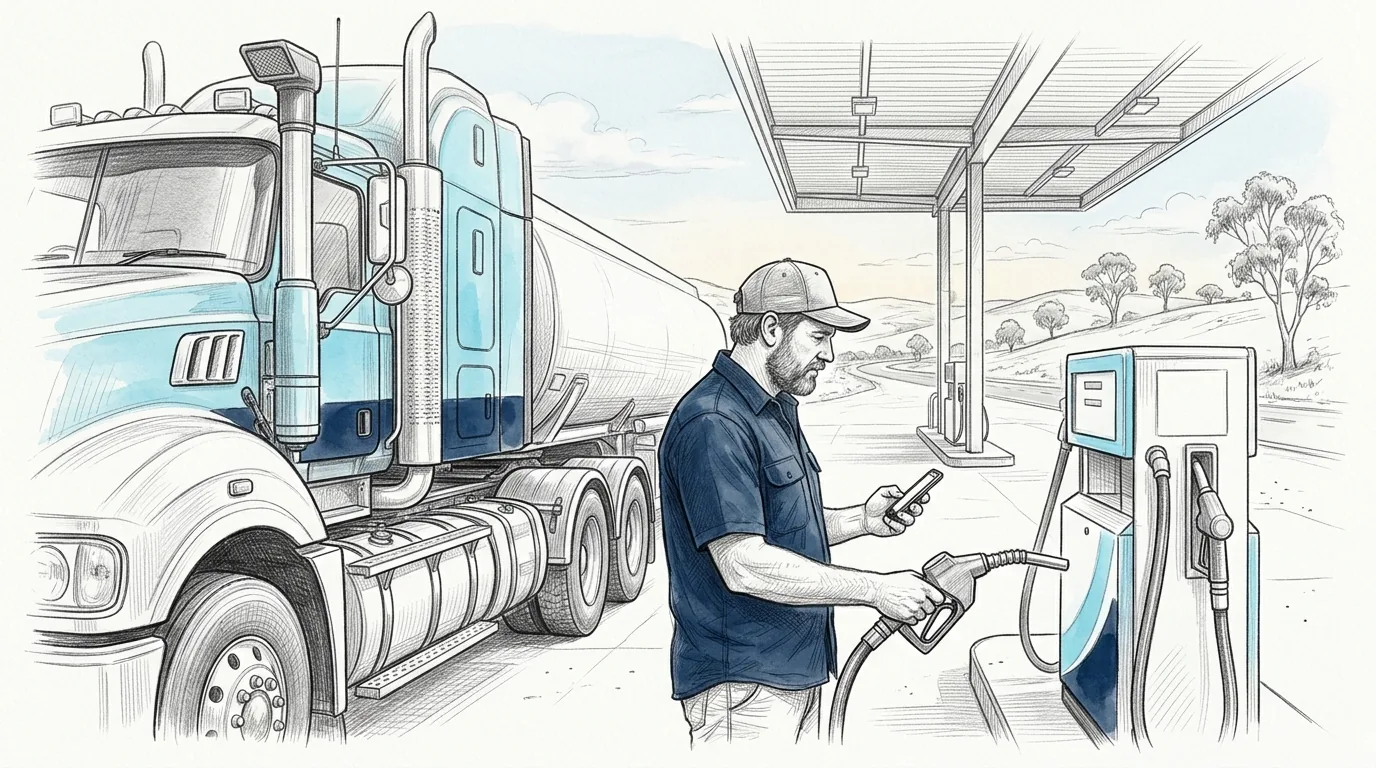
Transport Tax at a Glance
| Question | Short Answer |
|---|---|
| Who can claim fuel tax credits? | Businesses registered for both GST and fuel tax credits. |
| Which vehicles qualify on public roads? | Heavy vehicles above 4.5 tonnes GVM. |
| Do light vehicles qualify? | Generally not on public roads, though off-road use may qualify. |
| Why is the on-road credit lower? | The road user charge is taken out of the credit rate. |
| Where do I claim? | On your Business Activity Statement (BAS). |
| Do the rates change? | Yes, during the year. Check the ATO’s current rates before you lodge. |
| How long should I keep records? | At least five years. |
| When must an owner-driver register for GST? | Once turnover reaches $75,000 a year. |
Fuel Tax Credits for Trucking Explained
Fuel tax credits refund part of the fuel tax you pay on diesel and other eligible fuels. Businesses claim them through the Business Activity Statement (BAS). For transport operators, the credit can reduce running costs significantly.
Eligibility depends on how and where you use the fuel. Heavy vehicles above 4.5 tonnes gross vehicle mass (GVM) travelling on public roads can qualify. Light vehicles on public roads generally cannot. Fuel used off-road, such as in a yard or on a worksite, may attract a higher credit.
You must be registered for GST and for fuel tax credits to claim. Rates change during the year, so always check the ATO’s current rates before you lodge.
Road User Charges and Your Credit Rate
Heavy vehicles that use public roads pay a road user charge. The ATO builds this charge into the credit rate. As a result, your credit for on-road heavy vehicle fuel is lower than the credit for off-road use.
Keep separate records for each use. Track litres used on public roads and litres used off-road. Mixed records make claims harder to support and raise audit risk.
Split on-road and off-road litres. The two attract different credit rates, so one combined figure leaves money unclaimed or invites an ATO query.
How to Claim Fuel Tax Credits for Trucking
A clean claim relies on good records. Follow this routine:
- Keep a tax invoice for every fuel purchase.
- Record litres used per vehicle and per trip.
- Note each vehicle’s GVM and how you used it.
- Calculate your credit using the rate for that period.
- Report the amount on your BAS.
Fuel cards help because they produce clear statements. Match each statement to your invoices and trip records. Many operators work with a specialist in transport accounting to calculate credits accurately and keep their evidence audit ready.
Vehicle and Fleet Depreciation
Trucks, trailers and equipment lose value over time. Tax rules let you claim that decline as depreciation. The method you use depends on the asset and your business size.
Small businesses may access simplified depreciation rules, including instant asset write-offs below a set threshold. These thresholds change, so confirm the current limit before you buy. Keep purchase invoices, finance contracts and a fixed asset register for every vehicle.
Timing matters. A well-planned purchase can improve your tax position and your cash flow. However, never buy a truck for the deduction alone, since the repayments still need paying.
Buy for the business, not the deduction. A write-off only reduces tax on the price. The repayments still come out of your cash flow every month.
Owner-Driver Expenses and GST
Owner-drivers carry the same costs as large fleets, but with less admin support. Common deductible expenses include:
- Fuel (less any credits claimed)
- Registration, insurance and permits
- Tyres, repairs and servicing
- Tolls and road charges
- Phone, GPS and logbook costs
- Interest on truck finance
You need an ABN to work as an owner-driver. Once your turnover reaches $75,000 a year, you must register for GST. After that, you charge GST on your freight income and claim credits on your business purchases.
Keep personal and business spending separate. A dedicated business account and a simple expense app make this easy. Reliable accounting services can also confirm which costs you may claim and how to record them.
Key Transport Tax Items at a Glance
| Item | What to Track | Why It Matters |
|---|---|---|
| Fuel tax credits | Litres, vehicle GVM, on-road vs off-road use | Reduces fuel costs |
| Road user charges | Public road use per heavy vehicle | Sets your credit rate |
| Depreciation | Purchase date, cost and asset type | Lowers taxable income |
| Owner-driver expenses | Receipts for running costs | Supports your deductions |
| GST | Tax invoices, sales and purchases | Keeps your BAS accurate |
| Cash flow | Invoices, payment terms, tax set-asides | Covers fuel, wages and repayments |
Not sure you are claiming every credit?We review your fuel records, check your rates and calculate your fuel tax credits for each BAS.
Bookkeeping Tips for Steady Cash Flow
Transport businesses face uneven cash flow. You pay for fuel and repairs up front, while clients often pay in 30 or 60 days. Smart habits close that gap:
- Invoice at the end of each job or week, not at month end.
- Chase overdue invoices quickly.
- Reconcile your bank account weekly.
- Record fuel and trip data as it happens.
- Set aside GST and income tax from every payment.
- Forecast cash for the next 12 weeks.
Contracts also need attention. Record each contract’s rate, terms and costs, so you can see which routes and clients earn the best margin. You can then price new work with confidence and decline jobs that lose money.
Integrated accounting and bookkeeping services keep your day-to-day records and your tax reporting in one place. You spend less time on paperwork and more time on the road.
Accounting for Transport Businesses and Other Industries
Transport is one of many industries we support. Each one has its own BAS quirks, from fuel tax credits to TPAR reporting. These are the industries our team works with across Sydney.
Claim Every Fuel Tax Credit You Are Owed
Our accounting for transport businesses covers fuel tax credits, fleet depreciation, BAS and cash flow in Xero. Transport operators and owner-drivers across Sydney work with us from our North Strathfield and Liverpool offices.
Frequently Asked Questions
Can I claim fuel tax credits for all my vehicles?
No. Heavy vehicles above 4.5 tonnes GVM on public roads generally qualify. Light vehicles on public roads do not, although off-road use may qualify.
What records do I need for fuel tax credits?
Keep tax invoices, litres used per vehicle, vehicle GVM details and a record of how you used the fuel. Store them for at least five years.
Do owner-drivers need to register for GST?
Yes, once your annual turnover reaches $75,000. You can register earlier by choice if you want to claim GST credits sooner.
Why is my on-road fuel tax credit lower than my off-road credit?
Heavy vehicles on public roads pay a road user charge, which is taken out of the credit rate. Fuel used off-road does not carry that charge, so it usually attracts a higher credit.
Where do I claim fuel tax credits?
You claim them on your Business Activity Statement. You need to be registered for GST and for fuel tax credits, and you should use the rate that applied when you bought the fuel.
Keep Reading
This guide contains general information only and does not take your personal circumstances into account. Speak with a registered tax agent before acting on it.